Introduction
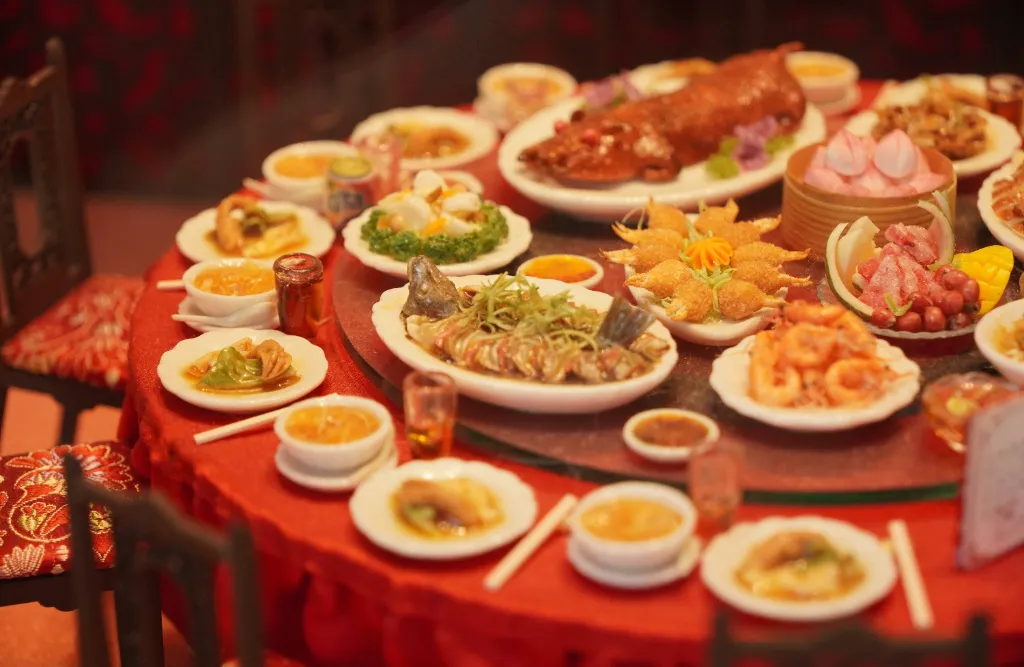
For centuries, the flavors of China have been shaped by rivers and mountains, dry northern plains and humid southern coasts, wheat fields and rice paddies. At the table, these landscapes become taste: steamed buns and hand‑pulled noodles anchoring the hearty cuisines of the north, bowls of fragrant rice and rice noodles supporting the delicate, layered dishes of the south. Over time, this vast culinary map condensed into eight great regional traditions—Lu, Chuan, Yue, Min, Su, Zhe, Xiang, and Hui—that together tell a story of migration, trade, belief, and family life. To follow these eight cuisines is to trace how everyday hunger turned into art, how local ingredients became symbols of place, and how a shared love of food connects people across regions and generations.
On the world stage, the Eight Great Cuisines have gradually moved from regional household names to widely recognized representatives of Chinese culinary heritage:
- The cooking techniques of Chuan cuisine and Hui cuisine are officially recognized as national-level items within China’s intangible cultural heritage system. This status highlights their role in preserving traditional skills, regional memory, and living craftsmanship.
- Nearly forty entries on the same national heritage list relate to dishes or techniques associated with the Eight Great Cuisines. Examples include Quanjude roast duck in Beijing, Juchunyuan’s “Buddha Jumps Over the Wall” in Fuzhou, and Dezhou braised chicken in Shandong. Most of these items are grounded in the established traditions of Lu, Yue, Min, Su, and other major culinary schools.
- Beginning in 2015, the China Cuisine Association started organizing international culinary events at the United Nations and related institutions. Two large-scale programs were held at UNESCO headquarters in Paris, in 2015 and again in 2024. Tastings, formal banquets, and intangible-heritage food exhibitions introduced global audiences to Chinese gastronomy.
- Several Chinese cities have received the title “City of Gastronomy” under UNESCO’s Creative Cities Network. These include Chengdu, Shunde, Macao, Yangzhou, Huai’an, and Chaozhou. In 2025, Quanzhou—an important historical center of Min and Minnan cuisine—became the seventh. Each city is recognized for both the depth and innovation of its culinary traditions, especially in Chuan, Yue, Huaiyang, and Min cooking.
In this lesson, you will travel across China’s Eight Great Cuisines, moving from north to south and from past to present. You will discover how climate and agriculture shaped staple foods—why wheat anchors northern tables while rice defines everyday meals in the south—and how these choices influence texture, flavor, and cooking methods. You will then visit each cuisine in turn, locating its home region, tasting its signature flavor profiles, and meeting key dishes, from slow‑braised Shandong classics and refined Jiangnan specialties to numbing‑spicy Sichuan food and bright, aromatic Cantonese cooking. As you trace how Sichuan and Cantonese restaurants helped Chinese food go global, you will come to see the Eight Great Cuisines not as a simple regional list, but as a living feast that carries memory, creativity, and a distinctively Chinese way of seeing the world.
Knowledge Builder
Content
In this lesson, you will begin your journey through the Eight Great Cuisines by looking at how China’s north–south divide in climate and staple foods shaped very different ways of eating. As you move from wheat‑based kitchens in the north to rice‑centered tables in the south, you will explore the hearty techniques of Shandong cuisine, the delicate balance and freshness of Cantonese cooking, the bold, numbing heat of Sichuan dishes, and the refined, elegant flavors of Jiangsu cuisine, seeing how each region turns local grains, rivers, and coastlines into its own culinary identity.
1.1: The Eight Great Traditions of Chinese Cuisine: Part 1
1.2: Quiz
In the second part of the course, you will turn to the remaining Four Great Cuisines and follow their stories from regional traditions to global influence. You will discover the gentle refinement of Zhejiang cuisine, the soup‑rich coastal depth of Fujian, the intense, chili‑driven layers of Hunan, and the rustic mountain character of Anhui, while also tracing how Cantonese migrants carried their foodways to places like the United States, helping Chinese cooking flourish as a beloved global cuisine.
2.1: The Eight Great Traditions of Chinese Cuisine: Part 2
2.2: Quiz
Patron
Patron of the Arts & Culture
Lee Kum Kee
Lee Kum Kee celebrates poetry, which inspires imagination, fosters cultural and historical connection, and honors the power of words that resonate across generations.
Instructor

Ming Aretê
Ming Aretê not only offers high‑quality Book Quizzes, but also curates beautifully designed cultural courses that guide students through both Chinese and international cultures, broadening horizons beyond reading alone.
Ming Aretê Presents Book Quizzes help students retain key knowledge about main characters, plot events, and important details from each chapter, while effectively testing and strengthening overall reading comprehension so that “reading a book” becomes truly “understanding a book.”