Introduction
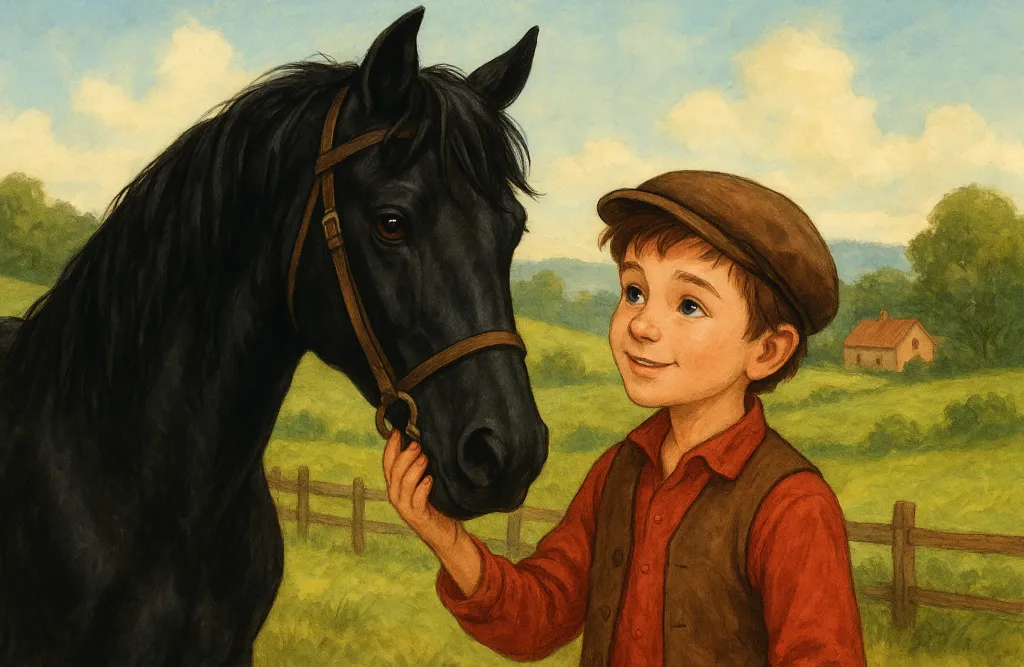
Anna Sewell’s Black Beauty, first published in 1877, is a beloved children’s novel celebrated for its poignant storytelling and empathetic perspective, standing as Sewell’s only published work and a landmark in animal literature. This touching tale, narrated by Black Beauty, a horse, chronicles his life through various owners, from kind to cruel, blending adventure, hardship, and hope. The novel’s 49 chapters are engaging and accessible, ideal for young readers and classroom discussions, both in-person and online. Sewell’s vivid, heartfelt prose fosters emotional connection, encouraging students to explore themes like compassion, resilience, and animal welfare through activities such as character studies or reflective writing. The vivid equine protagonist and Victorian England setting spark imagination while teaching empathy and social awarenes.
Cultural Importance
Black Beauty holds significant cultural value for American and UK children as a timeless literary classic that bridges both nations’ storytelling traditions. In the UK, the novel is a cultural cornerstone, reflecting Victorian concerns about animal welfare and universal values like kindness and perseverance, resonating with children exploring empathy and responsibility. In the US, its themes of compassion and justice connect with young readers, complementing studies of emotional intelligence and narrative craft. Its unique first-person animal perspective appeals to both audiences, fostering cross-cultural appreciation through shared empathy and advocacy for humane treatment. In classrooms across both nations, the novel’s adaptability—used in curricula for reading comprehension, creative writing, and discussions on ethical treatment of animals—solidifies its role as a cultural connector, encouraging children to embrace compassion and resilience while celebrating Sewell’s enduring legacy.
Recommended Reading Lists for UK and US Grades
Black Beauty frequently appears on recommended reading lists for primary and secondary school students in both the UK and US, typically for ages 9–14 (UK Years 5–9; US Grades 4–8). It’s valued for fostering literacy, emotional intelligence, and discussion of complex themes.
- UK: Featured on BookTrust’s “100 Best Books for Children” (ages 9–11), the National Curriculum’s KS2 and KS3 reading lists (Key Stage 2 and 3, ages 7–14), and school-specific lists like those from the Federation of Children’s Book Groups. It’s also recommended by School Reading List for upper primary and early secondary pupils, emphasizing its role in reading for pleasure and ethical discussions.
- US: Included in Common Core-aligned curricula for Grades 4–8, Scholastic’s recommended titles for middle-grade readers, and TeachingBooks’ state award lists (e.g., states like New York and Texas).
Film Adaptations
Black Beauty has been adapted into several notable films, enhancing its cultural impact:
- 1971 Film: A faithful adaptation directed by James Hill, capturing the novel’s emotional depth and Victorian setting, with a focus on Black Beauty’s journey.
- 1994 Film: A well-received live-action adaptation directed by Caroline Thompson, starring Andrew Knott and Sean Bean, blending realistic visuals and heartfelt storytelling to introduce the story to new audiences.
- 2020 Film: A modern Disney+ adaptation featuring Kate Winslet as the voice of Black Beauty, reimagining the story with contemporary themes while retaining its core message of compassion and resilience.
Knowledge Builder
Content
Step into the world of Black Beauty’s early life—meet new friends, face exciting dangers, and discover what it truly means to be brave and kind in a changing world!
1.1: Chapter 1: My Early Home
1.2: Chapter 2: The Hunt
1.3: Chapter 3: My Breaking In
1.4: Chapter 4: Birtwick Park
1.5: Chapter 5: A Fair Start
1.6: Chapter 6: Liberty
1.7: Chapter 7: Ginger
1.8: Chapter 8: Gingers Story Continued
1.9: Chapter 9: Merrylegs
1.10: Chapter 10: A Talk in the Orchard
1.11: Chapter 11: Plain Speaking
1.12: Chapter 12: A Stormy Day
1.13: Chapter 13: The Devil’s Trade Mark
1.14: Chapter 14: James Howard
1.15: Chapter 15: The Old Ostler
1.16: Chapter 16: The Fire
1.17: Chapter 17: John Manly’s Talk
1.18: Chapter 18: Going for the Doctor
1.19: Chapter 19: Only Ignorance
1.20: Chapter 20: Joe Green
1.21: Chapter 21: The Parting
Get ready as Black Beauty’s life takes new turns—big houses, strict rules, and tough lessons test his spirit, but friendship, hope, and courage shine through every challenge!
2.1: Chapter 22: Earlshall
2.2: Chapter 23: A Strike for Liberty
2.3: Chapter 24: The Lady Anne
2.4: Chapter 25: Reuben Smith
2.5: Chapter 26: How it Ended
2.6: Chapter 27: Ruined and Going Downhill
2.7: Chapter 28: A Job-horse and His Drivers
2.8: Chapter 29: Cockneys
2.9: Chapter 30: A Thief
2.10: Chapter 31: A Humbug
Black Beauty steps into a world of busy fairs, bustling London streets, and brave adventures. From kind families to tough drivers, discover the friendships and challenges that shape his middle journey.
3.1: Chapter 32: A Horse Fair
3.2: Chapter 33: A London Cab Horse
3.3: Chapter 34: An Old War Horse
3.4: Chapter 35: Jerry Barker
3.5: Chapter 36: The Sunday Cab
3.6: Chapter 37: The Golden Rule
3.7: Chapter 38: Dolly and a Real Gentleman
3.8: Chapter 39: Seedy Sam
3.9: Chapter 40: Poor Ginger
3.10: Chapter 41: The Butcher
3.11: Chapter 42: The Election
3.12: Chapter 43: A Friend in Need
3.13: Chapter 44: Old Captain and His Successor
3.14: Chapter 45: Jerrys New Year
In his final chapters, Black Beauty finds hope and healing with gentle hands and loving hearts. Join his peaceful new home and see how kindness gives second chances and lasting comfort.
4.1: Chapter 46: Jakes and the Lady
4.2: Chapter 47: Hard Times
4.3: Chapter 48: Farmer Thoroughgood and His Grandson Willie
4.4: Chapter 49: My Last Home
Instructor

Ming Aretê
Ming Aretê Presents Book Quizzes will help you retain knowledge about main characters, events, and details from each chapter while test reading comprehension effectively.