Introduction
The Great Gatsby: A Classic in American Literature
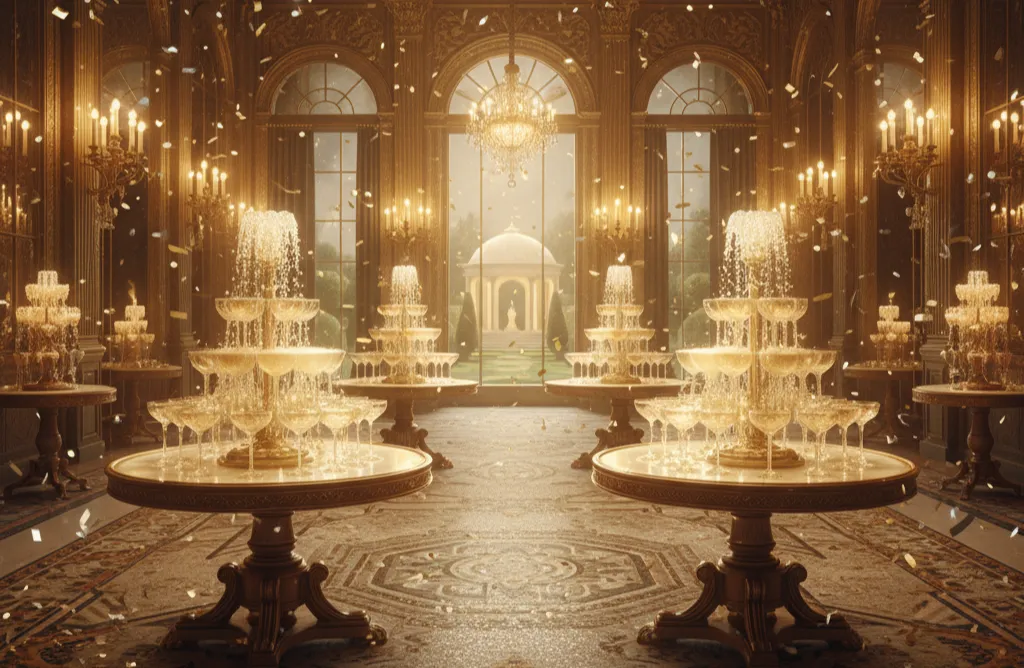
F. Scott Fitzgerald’s The Great Gatsby, published in 1925, is a celebrated novel renowned for its lyrical prose and vivid portrayal of the Jazz Age, standing alongside other famous Fitzgerald works like Tender Is the Night, This Side of Paradise, and the short story collection Tales of the Jazz Age. This captivating tale of Jay Gatsby, a wealthy dreamer, and his pursuit of the elusive Daisy Buchanan enthralls readers with its blend of romance, tragedy, and sharp commentary on ambition and the American Dream. The book’s 9 chapters are concise yet rich, ideal for older students and classroom discussions, both in-person and online. Fitzgerald’s poetic language, filled with evocative imagery and symbolism, inspires critical thinking, encouraging students to analyze themes through activities like close reading or essay writing. The vivid characters and opulent settings, from West Egg to East Egg, ignite discussion about wealth, love, and societal values, making it a perfect resource for online lessons focused on literary analysis and historical context.
Cultural Importance for American and UK Children
The Great Gatsby holds significant cultural value for American and UK children, particularly teenagers, as a literary classic that bridges American and British educational traditions. In the US, the novel is a cornerstone of American literature, reflecting the 1920s’ cultural excess and the enduring allure of the American Dream, resonating with students exploring identity and aspiration. In the UK, its universal themes of love, ambition, and societal critique connect with British readers, complementing studies of modern literature and cross-cultural perspectives. Its elegant yet accessible prose appeals to both audiences, fostering appreciation for literary craft and historical insight. In classrooms across both nations, the novel’s adaptability—used in curricula for literary analysis, historical context, and discussions on morality—solidifies its role as a cultural touchstone, encouraging students to reflect on ambition, privilege, and human relationships while celebrating Fitzgerald’s transatlantic influence.
Recommended Reading Lists for UK and US Grades
The Great Gatsby frequently appears on recommended reading lists for secondary/high school students in both the UK and US, typically for ages 14–18 (UK Years 10–13; US Grades 9–12). It’s valued for developing critical thinking, literary analysis, and understanding of historical themes.
- UK: Featured on AQA and Edexcel GCSE English Literature reading lists for Key Stage 4 (ages 14–16), as well as A-Level syllabi (ages 16–18) for its exploration of themes like wealth and identity. It’s also included in The Guardian’s recommended books for teens and school reading lists like those from School Reading List for advanced readers.
- US: A staple in Common Core-aligned curricula for Grades 11–12, appearing on lists from Scholastic, the College Board (AP Literature), and state standards (e.g., California and New York). It’s recommended by the National Endowment for the Arts’ Big Read program and TeachingBooks for its literary and historical significance.
Film Adaptations
The Great Gatsby has been adapted into several films, enhancing its cultural impact:
- 1974 Film: Directed by Jack Clayton, this adaptation captures the novel’s glamour and tragedy, staying close to the original story.
- 2013 Film: Directed by Baz Luhrmann, this visually extravagant adaptation introduces the story to modern audiences, with some stylistic liberties. These adaptations provide rich material for online lessons, enabling students to compare the novel with its cinematic versions or explore Fitzgerald’s themes on screen.
Knowledge Builder
Content
Chapter 1
1.1: Chapter 1
Chapter 2
2.1: Chapter 2
Chapter 3
3.1: Chapter 3
Chapter 4
4.1: Chapter 4
Chapter 5
5.1: Chapter 5
Chapter 6
6.1: Chapter 6
Chapter 7
7.1: Chapter 7
Chapter 8
8.1: Chapter 8
Chapter 9
9.1: Chapter 9
Instructor

Ming Aretê
Ming Aretê Presents Book Quizzes will help you retain knowledge about main characters, events, and details from each chapter while test reading comprehension effectively.